
How to Use Gypsum in Your Yard for Winter Dog Urine Spots
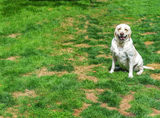
How to Use Gypsum in Your Yard for Winter Dog Urine Spots
By Lisa Rensberry, Christen Farm Nursery
Dog urine can leave unsightly yellow or brown patches on your lawn, especially noticeable after the snow melts in spring. A simple fall or early winter treatment with gypsum can help reduce damage and keep your grass healthier.
What Gypsum Does
Gypsum is a natural mineral (calcium sulfate) that helps neutralize and flush out excess salts left behind by dog urine. Urine has a high concentration of nitrogen and salts that can “burn” grass roots. When you apply gypsum, it:
-
Breaks down compacted soil, improving air and water movement.
-
Releases calcium, which helps displace sodium from salts.
-
Allows water to carry those salts deeper into the soil, away from your grass roots.
It doesn’t “cure” existing dead spots instantly, but it helps prevent further damage and creates a healthier soil environment for new grass growth in spring.
❄️ When to Apply
Late fall is a great time to apply gypsum. Be sure to apply before the ground freezes solid. Snow and winter moisture will gradually work it into the soil, helping it start breaking down salts over the winter months.
How to Apply!
-
Apply grannular gypsum using a lawn spreader.
-
Follow the label rate — typically 10–40 lbs per 1,000 sq. ft. depending on the product.
-
-
Water it in well
-
In spring, reapply more gypsum.
Pro Tip
For year-round protection, sprinkle a little gypsum in high-traffic dog areas once or twice a season. Encouraging your dog to use a designated area or watering the spot right after they go can also help prevent burns.