
How to care for Perennial Hibiscus In Wisconsin
How to Care for Perennial Hibiscus in Wisconsin
By Lisa Rensberry, Christen Farm Nursery
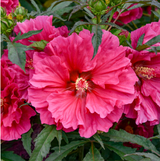
Perennial hibiscus, often called hardy hibiscus brings a tropical flair to Wisconsin gardens with its dinner-plate-sized blooms and bold foliage. Though they look exotic, these beauties are surprisingly tough and can thrive in our Zone 4–5 climate with the right care.

Planting
-
Sunlight: Choose a spot that receives at least 6 hours of full sun daily.
-
Soil: Hibiscus prefers moist, well-drained soil that’s rich in organic matter. They don’t like drying out completely.
-
Spacing: Give them room hibiscus plants can grow 3–5 feet tall and wide!
Watering
-
Keep the soil consistently moist, especially during the first growing season and in hot summer weather.
-
Mulch around the base (2–3 inches) to help retain moisture and regulate soil temperature.
Fertilizing
-
In spring, apply a slow-release, balanced fertilizer (like 10-10-10) once new growth emerges.
-
Avoid excessive fertilizer late in the season—it can promote soft growth that’s vulnerable to winter damage.
Pruning
-
Don’t panic if it looks dead in spring—hardy hibiscus are LATE to emerge in spring, often not showing new growth until late May or Mid June. Ground tempature will be at about 60 degrees for a week before they start to emerge.
-
Once new shoots appear, cut back all old stems to the ground.
-
During the growing season, remove spent blooms to encourage continuous flowering.
Winter Care
-
After frost, allow the top growth to die back naturally, then cut it down to a few inches above the ground once the stems are dry.
-
Apply a thick mulch layer (4–6 inches) over the crown in late fall to protect roots from freeze-thaw cycles.
-
Avoid wet winter conditions—ensure good drainage to prevent root rot.

Spring Tips
-
Be patient! These perennials are among the last to wake up in spring.
-
Once new growth appears, remove winter mulch gradually and refresh your fertilizer.
Bonus Tip:
Hummingbirds and butterflies love hardy hibiscus! Pair them with coneflowers, ornamental grasses, or black-eyed Susans for a long-lasting, pollinator-friendly display.